Window film in a Brussels flat: do you need the co-ownership's approval?
By the VitraCare Team
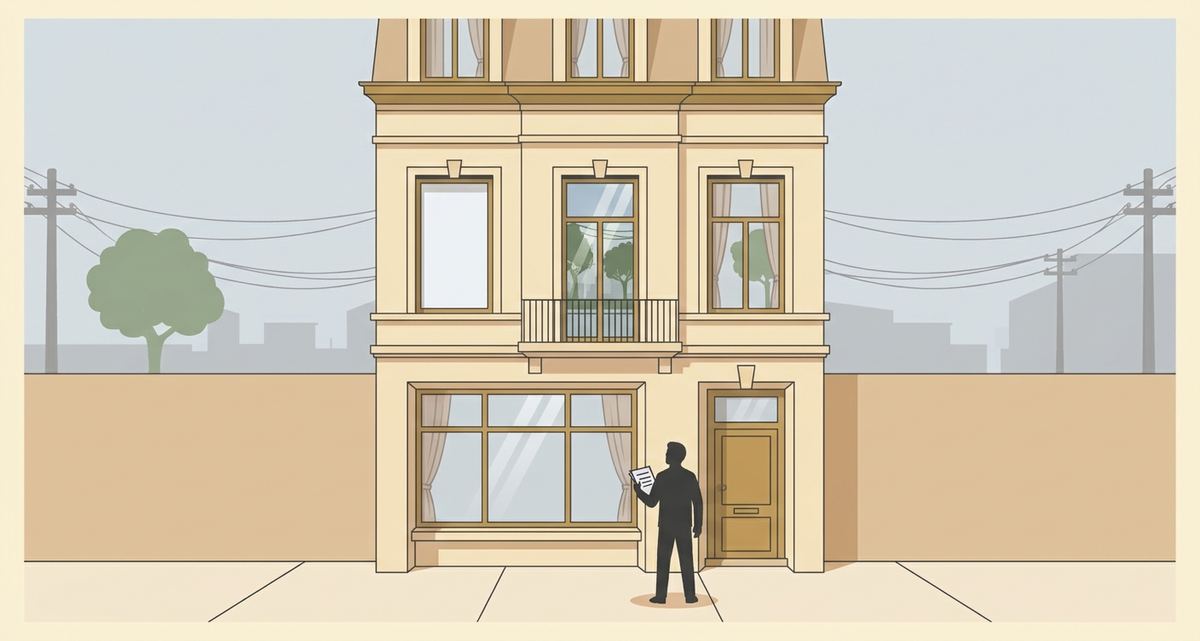
You live in a flat, being overlooked or the heat is getting to you, and you're thinking about film for your windows. One question often comes up before people even ask for a quote: do you need the co-ownership's approval? The film goes on inside your home, and it can feel a bit like choosing curtains. That's partly true, but not always. Here's what we found in official Brussels sources, what depends on your building's rules, and how to avoid an unpleasant surprise.
An important note: this article gives pointers, not legal advice. The document that counts is your own building's rules.
The short answer
We found no Belgian rule requiring approval to apply film to the inside of your own windows. In a co-ownership, however, the basic deed and the co-ownership rules can govern the building's general appearance. If your film changes how the façade looks from the street, which is the case with mirror or matte white film, you may need the approval of the association of co-owners.
If you rent, let your landlord know. If your building is listed, check with your commune's planning department before installation.
What your neighbours see from the street
It all comes down to how things look from outside. The film is on the inside, but some films are clearly visible from the pavement, others hardly at all.
| Film | Appearance from the street | Check with the co-ownership? |
|---|---|---|
| Mirror effect | Glass that reflects like a mirror during the day | Yes, ideally |
| Matte white | White, opaque glass, day and night | Yes, ideally |
| Solar | Slight blue tint, hardly noticeable | Rarely needed, unless there is a strict rule on appearance |
| Anti-burglary | Transparent and colourless | No, no change in appearance |
← Swipe to see the full table →
Owner in a co-ownership: where to look
In Brussels, many basic deeds treat window frames as private parts, and others as common parts. In an article (in French) on replacing windows in a flat, KBC Brussels sums it up like this: if the basic deed makes the frames private, you can have them replaced without the association of co-owners' approval, but you must follow the provisions on the building's general appearance, and departing from that appearance requires the association's agreement. The same article notes that replacing the glazing alone never requires approval.
Film isn't a glazing replacement, but the logic is the same: what matters is how the façade looks. In practice, before installation, check three documents: the basic deed, the co-ownership rules and the house rules. Look for passages about the exterior appearance, the harmony or uniformity of the façade, and the windows. If nothing is clear, a written question to the building manager is often enough to find out whether the general assembly has already made a decision.
If you rent
We found no Brussels text dealing specifically with window film in a lease. The right reflex is simple: let your landlord know in writing before installation, stating the type of film. And plan to have it removed when you move out, unless your landlord would rather keep it.
If the building is a co-ownership, the rules on the façade's appearance also apply to occupants: your landlord will probably want to check the rules before agreeing to mirror or matte white film.
Listed façade: ask the commune first
The official information leaflet « Fenêtres et châssis » (in French) from Brussels Urban Development (September 2016) states that no permit is needed for a simple replacement of frames or glazing that keeps the original shapes and doesn't change the building's architectural appearance. It also states that a permit is always required if the works concern a listed building or one on the safeguard list.
That leaflet doesn't mention window film. If your building is listed or on the safeguard list, ask your commune's planning department for advice before installation, especially for mirror or matte white film.
How to prepare your request to the building manager
If a check is needed, the more precise your request, the faster the answer. Say which windows are involved, which film you're considering and why (being overlooked, heat, security). A photo of film already installed helps a lot to picture the result from the street.
We can send you the specifications of the chosen film and photos of installations we've done. And if the look of mirror or matte white film raises questions, solar film or anti-burglary film change the façade's appearance far less.
So far, none of our clients has reported a problem with their co-ownership. But checking beforehand costs little, and saves you from having to remove film that's already installed.
How does installation work, and what does it cost?
We apply the films directly to your existing glazing, usually on the inside, in a single visit and without removing anything. Installation comes with a 2-year warranty, and the film's lifespan is estimated at 10 to 15 years when installed on the inside.
There are no prices on the site: the price depends on the surface to be treated and how accessible the windows are, and it's the same whichever film you choose. Our article on pricing explains what makes it vary.
Sources
Still unsure?
Get in touch, we'll advise you for free based on your situation and reply within 24 hours.
Frequently Asked Questions
Can the co-ownership ask me to remove film that's already installed?
It's possible if your rules forbid changing the façade's appearance without approval and the film changes it, which can be the case with mirror or matte white film. That's why we recommend checking before installation.
Do you need a planning permit to put film on your windows?
For a building that isn't listed, the official Brussels leaflet doesn't require a permit for a simple glazing replacement that doesn't change the building's appearance, and it doesn't mention film. For a listed building or one on the safeguard list, a permit is always required for works: ask your commune before installation.
Isn't film on the inside just like curtains?
It's a fair comparison, and it holds for film that's hardly noticeable, like solar film. But mirror or matte white film changes how the glass looks from the street, and that appearance is exactly what some co-ownership rules govern.
Does solar film change how the façade looks?
Only slightly: the glass stays transparent, with a slight blue tint. It's therefore less likely to raise questions than mirror or matte white film, although a very strict rule on appearance can always apply.
Have a window film project?
GET A QUOTE