Security window film: how to protect your glazing without replacing it?
By the VitraCare Team
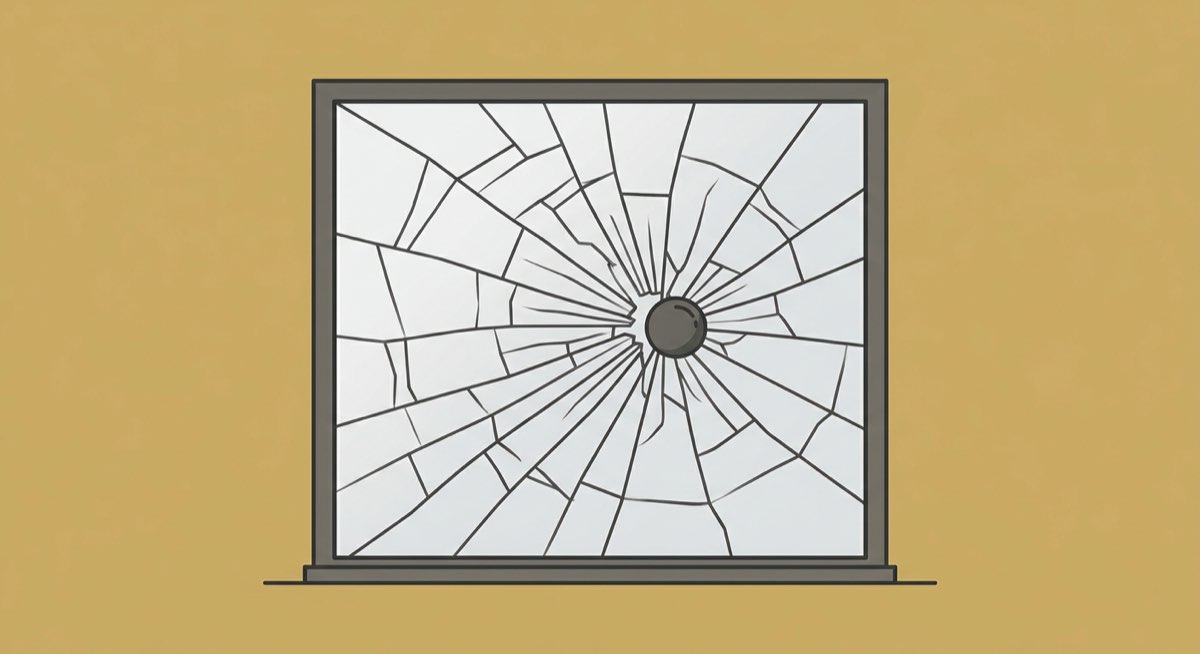
A shop window, a patio door, a ground-floor room facing directly onto the street: these are the most exposed entry points of a home or business, and often the least protected. Standard glazing, single or double, gives way within seconds under a well-placed blow. Security film doesn't make a window unbreakable, but it fundamentally changes what happens when it's struck.
What security film actually changes
The film is applied to the inside face of the glazing, as a continuous, adhesive layer. When the glass is struck, it cracks, but the fragments stay held together by the film instead of shattering outward or giving way in one go. The result: it takes repeated blows, noise and time to force an opening, exactly what an opportunistic burglar wants to avoid.
Let's be honest about this: the film slows down and complicates a break-in, it doesn't make one impossible. It's an added layer of protection, not an absolute guarantee.
The film we install is EN 356 certified (the European standard for glazing break-in resistance) and carries the CE mark. The supporting technical datasheet is available on request.
Shop windows and ground floors: the first exposed line
For a shop or a ground-floor space visible from the street, the window is both a commercial asset and the most vulnerable point. Security film is applied without changing the look of the window or affecting visibility: it stays transparent and virtually invisible once installed.
Glass doors and sliding bay windows
Patio doors and sliding glass bays are frequent targets, often more accessible than a standard front door (garden, terrace, side alley). The same film is applied to these surfaces to reinforce their resistance to impact.
A reinforcement, not a replacement for your security
Security film complements your existing measures (locks, alarm, outdoor lighting); it doesn't replace them. It acts on one specific point: the time and noise needed to get through a window, which discourages a large share of opportunistic break-in attempts.
Warranty and lifespan: what to remember
The installation is guaranteed for 2 years, covering any defect linked to the installation itself (peeling, a bubble caused by poor application). It doesn't cover damage caused afterwards by misuse or a third party.
Installed on the interior side, the most common case for this film, the lifespan is estimated at 10 to 15 years. Exterior installation remains possible, but shortens this lifespan due to direct exposure to the weather.
Learn more
Security film is one of the 4 tints covered in our complete guide to choosing your film, alongside solar, mirror effect, and matte white film: each one answers a specific purpose, not an aesthetic choice. For a sense of budget, our article on pricing explains how the quote is calculated based on surface area and film type. You can also check our completed projects for real work already carried out.
Still unsure?
Contact us: we'll advise you for free based on your project and reply within 24 hours.
Frequently Asked Questions
Does the film make the glass unbreakable?
No. The glass can still crack under a blow, but the film holds the fragments together and makes it much harder to get through: it takes more blows, more noise and more time to force access.
Is the film visible once installed?
No, security film is transparent and discreet: it doesn't change the look of your glazing or the brightness of the room.
Is it compatible with double or triple glazing?
Yes, the film is applied to the inside face, whether it's single, double, or triple glazing.
Does the film replace an alarm or security shutters?
No, it complements your existing security measures rather than replacing them. It specifically strengthens the glazing itself.
What warranty do you offer on this film?
2 years on the installation, for a defect attributable to us (peeling, a bubble). The film's own lifespan is estimated at 10 to 15 years for an interior installation.
Is the film certified?
Yes, it's EN 356 certified (the European standard for glazing break-in resistance) and carries the CE mark. We can send you the technical datasheet on request.
Have a window film project?
GET A QUOTE